
The virtue of slowness in ministry

Dan Steel
In today’s fast-paced world, where productivity usually reigns supreme, the notion of slowness - or of slowing down - can seem countercultural. However, in pastoral ministry, slowness is not a weakness; it is an essential virtue.
Jesus often used agricultural metaphors to explain the Kingdom, not simply because that resonated with the people of His time (though it would have) but also because it explains something of how God is slowly at work in His world; tiny mustard seeds grow into huge trees.
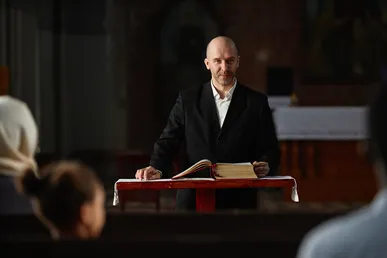
Why is being a pastor ‘a noble task’? Could you be one?

Alasdair Paine
In December 1926, a 27-year-old doctor, Martyn Lloyd-Jones, left a London medical career in which he was making stellar progress to become pastor of a small church in a steelmaking town in South Wales. His move provoked public astonishment, even reaching the papers. Headlines included this: “Leading Doctor Turns Pastor: Large Income Given Up for £300 a year.”
One result of his move was that he was sometimes asked to give his testimony about the sacrifice he had made. He always refused. On one such occasion, he said: “I gave up nothing. I received everything. I count it the highest honour that God can confer on any man to call him to be a herald of the gospel.”1

New report reveals Gen Z's priorities - not just in the West, but worldwide

Lydia Houghton
A new report, published today and authored by Peter Dray, reveals that "Generation Z" prizes living better, not just living longer.
Gen Z Insights for Global Student Ministry - published by the International Fellowship of Evangelical Students (IFES) - examines four "Gen Z" traits across multiple countries: pursuit of wellbeing; digital immersion; cultural awareness; and spiritual openness.



































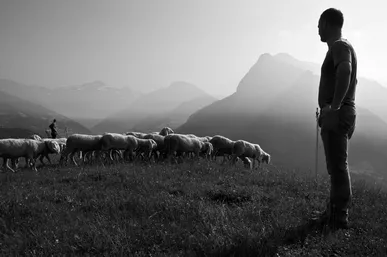

























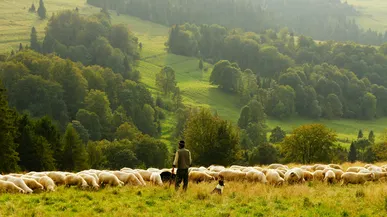










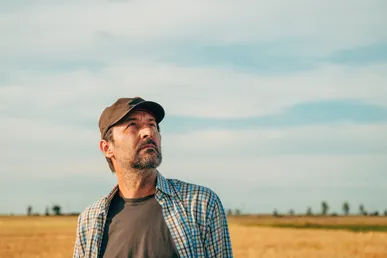

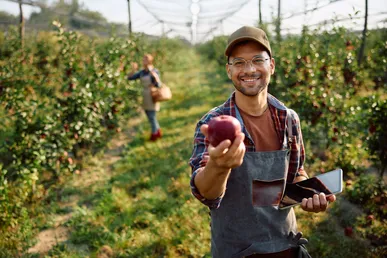













Tired of 'plodding along' in ministry?
There is a reason why Paul reaches for farming when he wants to describe what faithful ministry looks like. Not architecture, not conquest, not business, not a product launch – farming.
"The hardworking farmer," he writes to Timothy, "ought to have the first share of the crops" (1 Timothy 2v6). And to the Corinthians, pushing back on a church already obsessed with cliques and celebrity: "I planted, Apollos watered, but God gave the growth" (1 Corinthians 3v6).