Japan: Worries over new PM

Luke Randall
Christians in Japan are expressing wariness towards the nation’s new nationalist-leaning Prime Minister following her first few months in office.
The Liberal Democratic Party’s (LDP) Sanae Takaichi was elected as the nation’s first female Prime Minister. She is on the conservative right of her party and is believed to be against same-sex marriage and proposed legislation to allow women to retain their maiden names after getting married, but several Christians are concerned about her leadership, and the impact it is likely to have on Christianity.
letter from Japan
Praying for new, younger preachers

John Newton Webb
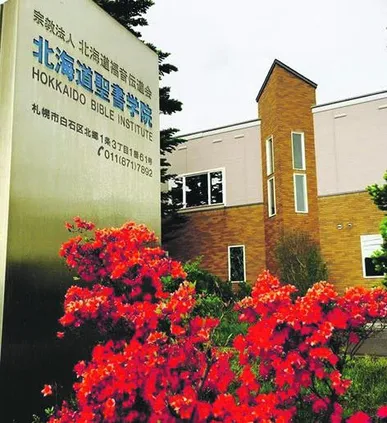
I am thrilled that Hokkaido Bible Institute (HBI, where I serve on the board) is pushing ahead with plans for a course to train lay preachers.
With some significant exceptions, the Japanese church is generally cautious about non-Bible College graduates preaching, teaching and providing a church with spiritual leadership. The reasons for this are complex, but include being in a cultural context which places a high value on formal qualifications, and a right concern for faithful teaching. However, with a critical shortage of full-time Christian workers and many churches lacking anyone to lead or teach, the church is actively seeking solutions.

letter from Japan
Please pray urgently for Japan today
John Newton Webb
Recent survey results from the Japanese Government, combined with an estimate of the Japanese population who are Bible believing Christians suggests that the number has fallen from around 500,000 in 2019 to less than 350,000 in 2024 or from 0.4% to 0.28% of the population. Amongst university students, just 0.01% (one in 10,000) are thought to be Christians.
What does this mean for the future of the gospel in Japan? Research predicts that if present trends continue, half of Japan’s Protestant churches will close by 2030. Some of these are churches which have drifted from the Bible, others have not been evangelising; still others have been damaged by splits. But many of them are faithful, prayerful, gospel-preaching churches, who are simply not seeing people converted. Though numbers of missionaries coming to Japan are going up, there is a dire shortage of Japanese full-time gospel workers. Pastors are retiring or dying with no-one coming to replace them. Some Bible Colleges have closed recently due to a shortage of students.