updates from the mission field
Mission in Naples: 'Italian gospel workers are heroes'

Mark Oden
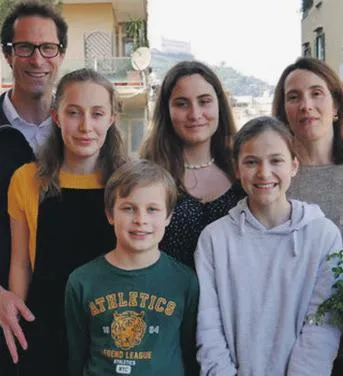
In the heat of the summer of 2013, Jane and I, and our four kids (Sofia, Inez, Luisa, and Archie), moved from leafy Sevenoaks to noisy, crowded Naples, Italy, to work alongside a Brethren church we’d built links with previously.
We spent two years serving in Pozzuoli, then moved into the centre of the city to plant the Chiesa Evangelica Neapolis (the Greek name for the city, meaning "new community"). In March 2026, we intend to leave Naples, having been called to serve Chalmers Church, Edinburgh.

Italy: Thousands march for Jesus

Luke Randall
Thousands of Christians have marched through Milan’s city centre carrying banners exclaiming that “Jesus is the light”, and “Jesus gives you freedom”.
The “March for Jesus” event, attended by about 5,000 people, proceeded through some of the city’s most famous streets and ended outside Milan Cathedral, where groups performed dances and songs. The event, dubbed by many as a “Joy March”, was organised by the Evangelistic Network in Mission (REM) in collaboration with churches and mission organisations, according to Evangelical Focus.
Rome church faces shock new battle

Iain Taylor
One of Rome’s leading Protestant churches, the Breccia di Roma, is set to take the Italian tax authorities to the European Court of Human Rights (ECHR) following an unexpected defeat in the Italian Supreme Court.
After Breccia di Roma bought its building in the heart of the capital city it applied to be classed a religious building, which would have exempted it from taxation. But the Tax Agency challenged that ruling, on the grounds that the building lacked the ‘intrinsic features’ of religious buildings, such as altars, images, and statues – clearly based on Roman Catholic conceptions of religious space. The church’s explanation that, as Protestants, the buildings contain no altars because it worships God in spirit and truth, fell on deaf ears. Although two lower courts found in the church’s favour, as they recognised the right of faith communities to design their own spaces according to their own principles, the Supreme Court disagreed.