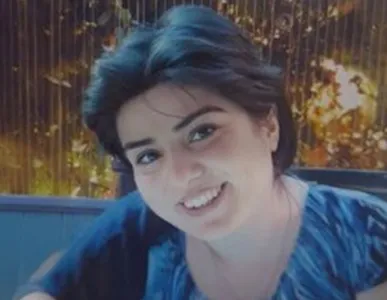
Iran: Jailed believer fractures spine

Lydia Houghton
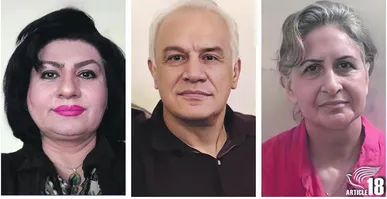
Aida Najaflou, an imprisoned Christian convert in Tehran’s notorious Evin Prison, Iran, recently fractured her spine after falling from her bunk bed. She was briefly taken to hospital, where doctors recommended urgent surgery, but was returned to prison the same day, still in pain, and without receiving the necessary treatment.
According to Article 18 and Open Doors, her condition is particularly fragile; she lives with rheumatoid arthritis, and warned prison officials that climbing to a top bunk was dangerous for her. Her requests for a lower bed were ignored. “With a fractured vertebra and limited medical access, Aida faces additional suffering that could have been prevented,” Open Doors shared on X.
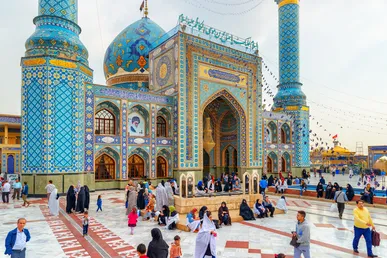
New crackdown on Iranian Christians

Luke Randall
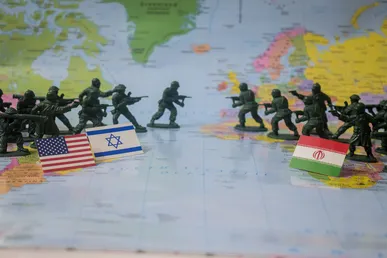
More than 20 Christians have been arrested in Iran as part of a crackdown on religious freedom following the agreement of a ceasefire between Iran, Israel and the United States.
Charges brought against believers by the Iranian Ministry of Intelligence have not been made public, but several are believed to centre around the possession of Bibles as well as a newly proposed law that threatens brutal repercussions for working with what the regime brands “hostile states”, including the US and Israel.




























Everyone has faith – what makes ours different?
Christians can feel helplessly situated in a world stymied by the embargoed Strait of Hormuz (if it's still closed by the time you're reading this) and Europe’s bleeding gash – the war in Ukraine.
At home, little sign of a let-up in the cost-of-living crisis only enlarges the aurora of neon gloom across British skies.