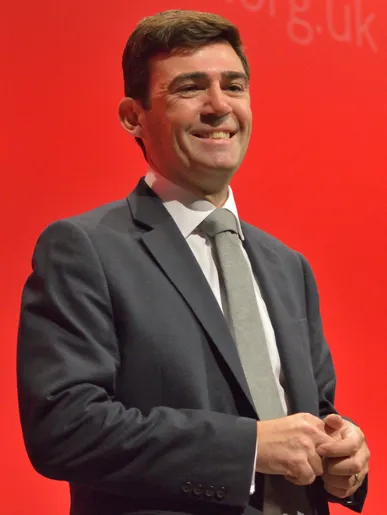
It felt inevitable and perhaps it was: Sir Keir Starmer has resigned and looks very likely to be replaced by Andy Burnham as Prime Minister.
Burnham won a decisive victory in last week’s Makerfield by-election, beating out Reform UK by 20 points, exceeding even the pollsters’ predictions. The unique nature of the contest has made it hard to draw any decisive conclusions about the result’s significance for British politics more broadly, but it has now all but guaranteed that Burnham will be PM by September.
What does it mean to be the Prime Minister of the United Kingdom in 2026?
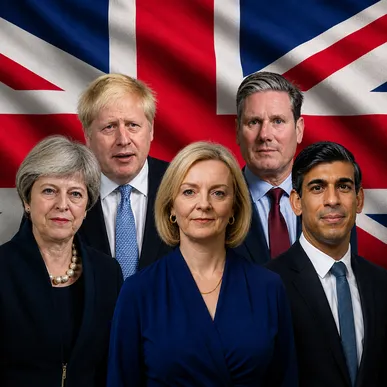
At the time of writing, that post is still held by Sir Keir Starmer. For how much longer remains to be seen. If he resigns any time soon, his successor will be the United Kingdom’s seventh premier in just ten years.
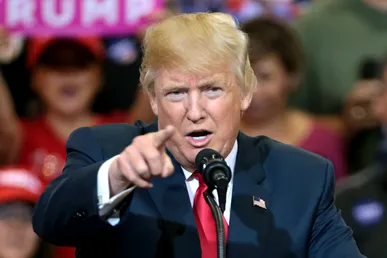
One thing most British evangelicals have in common with the majority of their fellow countrymen is a shared dislike of Donald Trump. What’s more, many of us experience bafflement at Trump’s popularity among our American evangelical cousins.
I do not share this dislike and bafflement, however. As a Brit, my attitude toward American politics is largely "not my circus, not my monkey." But I want to offer a defence of Trump. And not just of why people may have voted for him back in November 2024, but why they can feel justified in having done so six months later.
The UK's next PM: Being 'likeable' isn't enough...
It felt inevitable and perhaps it was: Sir Keir Starmer has resigned and looks very likely to be replaced by Andy Burnham as Prime Minister.
Burnham won a decisive victory in last week’s Makerfield by-election, beating out Reform UK by 20 points, exceeding even the pollsters’ predictions. The unique nature of the contest has made it hard to draw any decisive conclusions about the result’s significance for British politics more broadly, but it has now all but guaranteed that Burnham will be PM by September.