
Of Bede and birds

Michael Haykin  |  Features  |  history
Date posted:  1 Jan 2021
Share Add       
Of Bede and birds

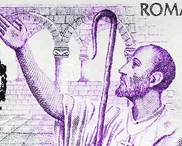
Last month we looked at the life of Bede (c.673–735), the Anglo-Saxon historian who is best known for his Church History of the English People (Historia Ecclesiastica Gentis Anglorum).

Why does this historical work – which traces the history of England from the Roman occupation to 731, the year that it was completed, as well as detailing the conversion of the Anglo-Saxon peoples – merit calling Bede a model historian?

A providential reading of history

Well, two reasons stand out. First of all, Bede read history providentially. In his view, God was at work in history. He saw his work in this regard as a continuation of what Luke the historian did in the Book of Acts.

Share
< Previous article| Features| Next article >
Read more articles by Michael Haykin >>
Features
The run-up to Nicaea: Athanasius versus Arius

The run-up to Nicaea: Athanasius versus Arius

Among the three or four most significant theological controversies in the history of the church is the fourth-century struggle with …

Features
Before the creed of Nicaea

Before the creed of Nicaea

This year is the 1,700th anniversary of one of the great turning-points in church history, the Council of Nicaea (325), …

New here?

Register and get three free articles each month!

Register

Subscribe

Enjoy our monthly paper and full online access from just £18/year

Find out more